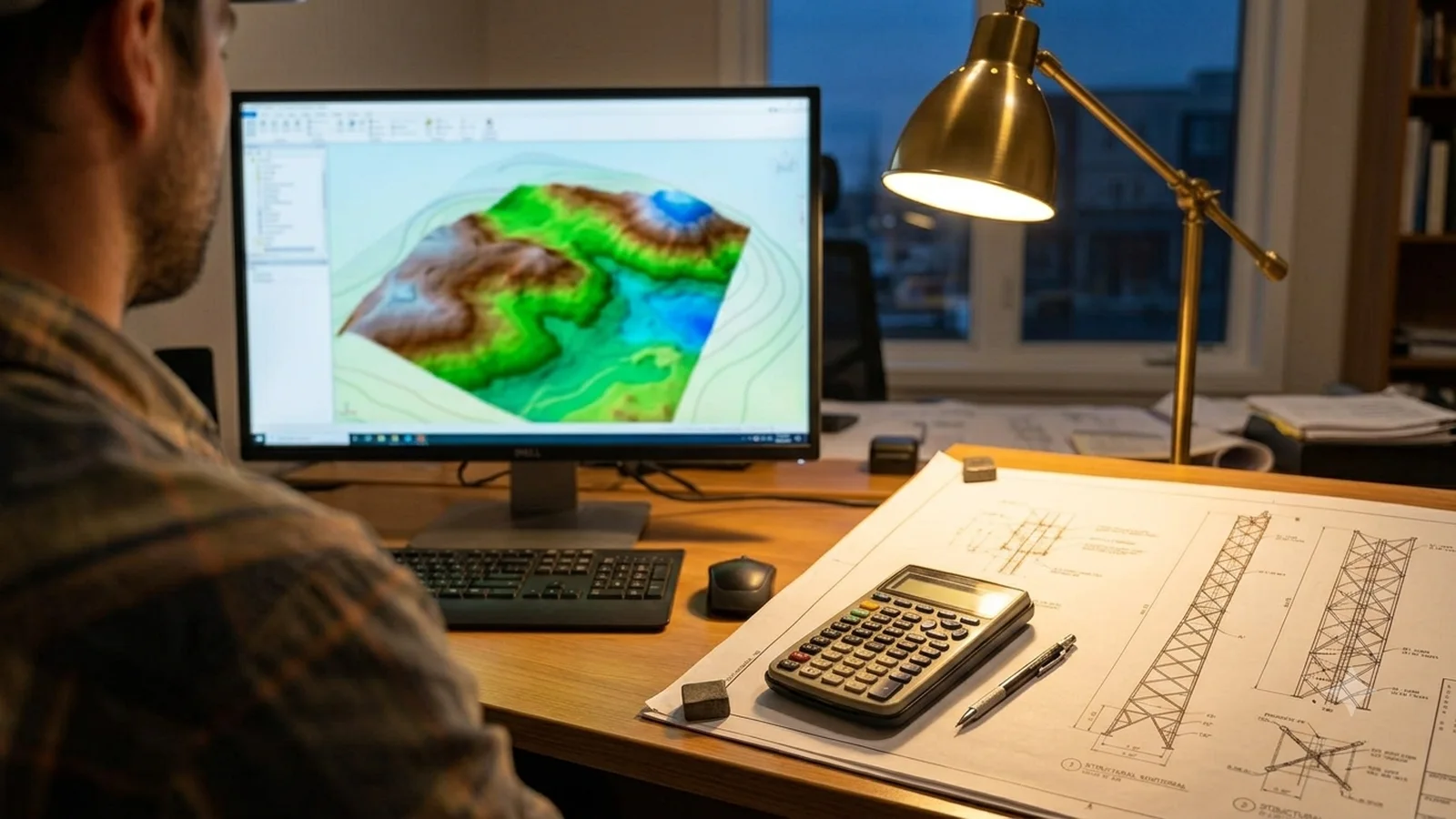
01 · Design
In-house structural
Our own engineers design the guyed lattice and sensor layout to DIN 3060 and SS316 — one accountable calculation, not a bought-in kit.
Service 02 — Design, build & raise
VOTC designs, manufactures, instruments, raises and maintains guyed lattice meteorological masts under one accountable scope — from the first structural calculation to a commissioned, signal-live tower with a complete records trail.
In-house structural · DIN 3060 · SS316 · own certified crews
Reference 7.7 m/s









































Erection is a sequence of witnessed hold points — work stops at each gate until it is verified. Drag the build, or let it run: foundation, steel, tension, signal.
Pending
Pending
Pending
Pending
Work stops at each gate until it is verified — and the client can witness every one.
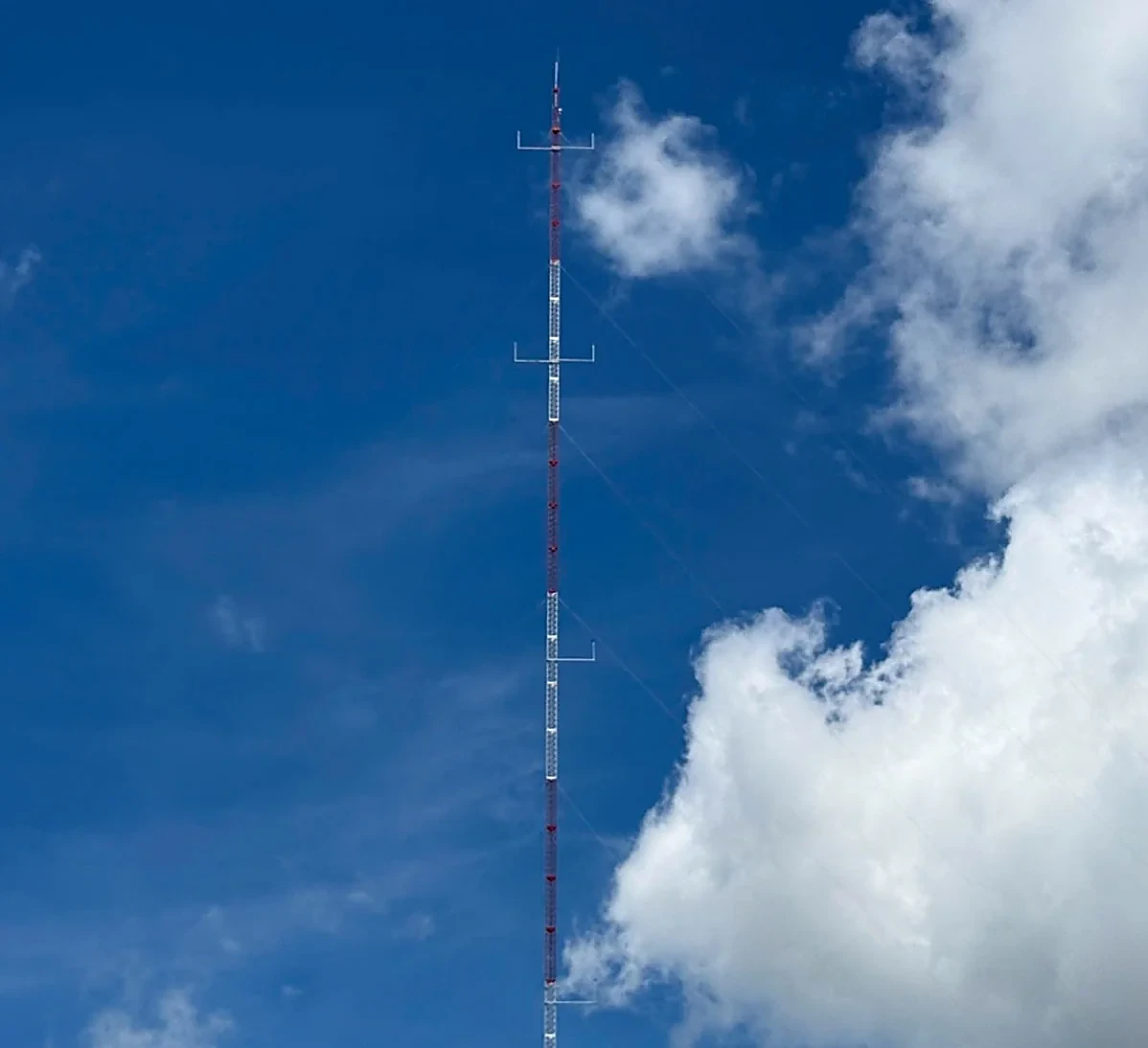
One tower carries the whole wind profile — first-class cup anemometers, vanes and temperature & humidity sensors stepped from 40 m to 170 m, each held clear of the structure and read where the turbine sees the wind.
8 measurement levels · redundant at hub · IEC 61400-12-1 layout

A guyed lattice is light and slender — which is exactly why the engineering has to be right. Three things decide whether a mast measures true for a decade.
Wind
At 170 m the wind load is real. A slender lattice presents little to it, and the guy system carries what remains down to concrete ground stations — so the steel stays light.
Guyed at every levelMovement
DIN 3060 rope tensioned to spec at every guy level keeps deflection tiny. A mast that sways smears the very measurement it exists to take.
DIN 3060 · SS316Verticality
Checked plumb to close tolerance at hold point H3. A tower that leans reads the wrong wind — so verticality is witnessed, not assumed.
Verified · H3—
—
—
Indicative ratios — loads scale with the square of wind speed. The real numbers come from the structural design for your site’s wind class.
One engineered configuration, adapted to the exposure and soil of each site. This is the reference build.
Every mast ships with its general-arrangement drawing — the elevation that fixes what stands at every height. Click a level to read what is mounted there, and why.
Level · 160.0 m
Paired first-class cup anemometers on opposed goal-post stubs at the top level, held clear of tower-top distortion. Two sensors, opposite sides — so a clean reading exists in every wind direction.
Land take · indicative
Guy anchors sit at roughly 0.75× height on the outer ring, on three azimuths 120° apart — 2–3 rings per azimuth, so 6–9 anchors. Final geometry comes from the structural design for your soil and wind class.
IEC 61400‑12‑1 pins every boom to the rotor. Set the turbine’s hub height and rotor diameter — the measurement heights, their ±2.5% tolerance and the mast height all fall out at once. Drag a slider and the mast redraws.
Standard IEC boom set across the rotor plane · each height ±2.5% · final layout follows the structural design for your site and wind class.
The tower distorts the very wind it measures — downwind of the lattice sits a turbulent wake. Boom azimuth is an engineering decision made against the site’s wind rose. Drag the wind and watch why the pair never goes blind.
Directions where a sensor sits in the tower’s wake are flagged, and the paired sensor on the opposite boom is used instead — the two flagged sectors can never overlap. Layout per IEC 61400-12-1 Annex G guidance.
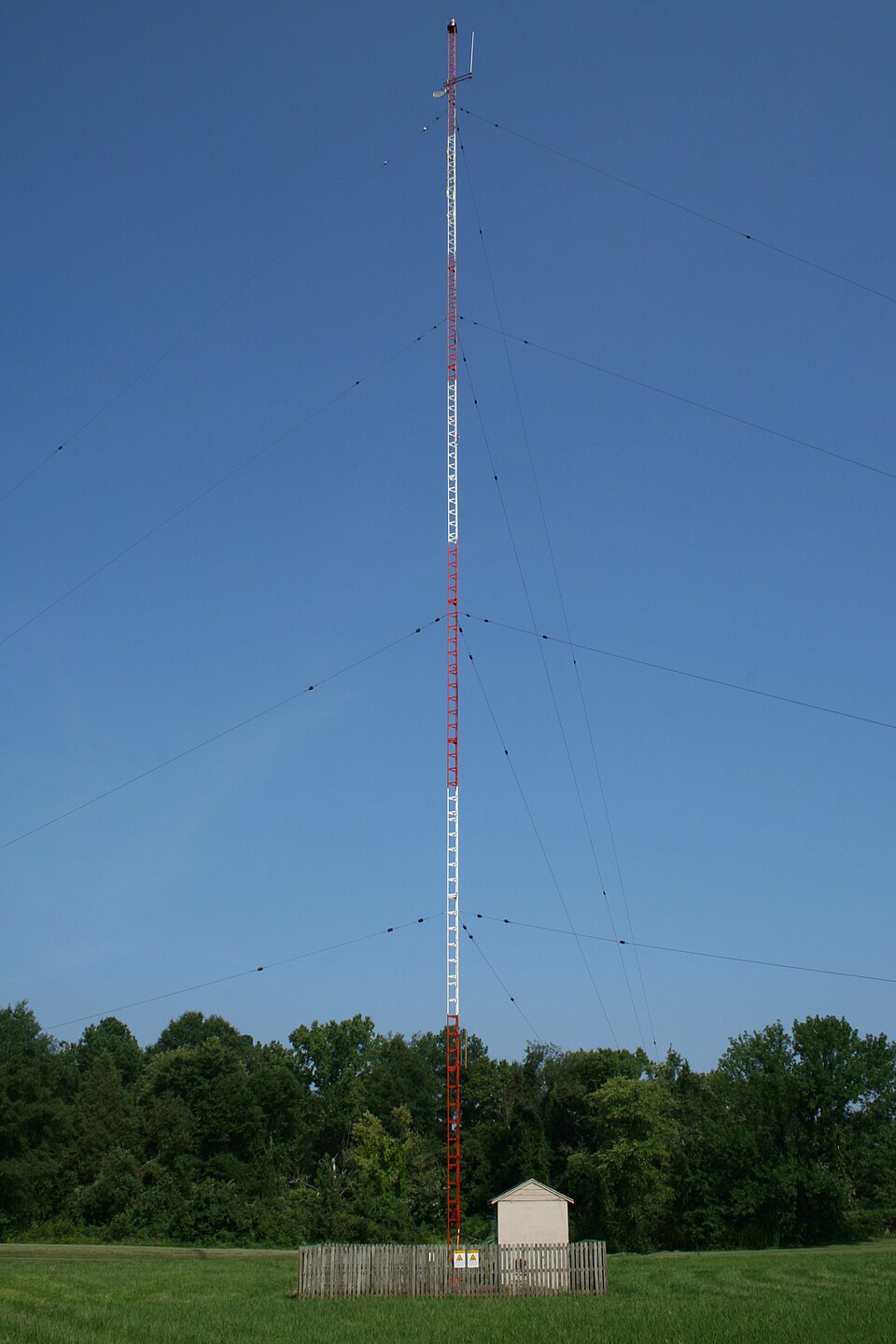
A guyed lattice is light — the guys do the work. Get the geometry and tension right and it holds dead vertical through decades of wind; get them wrong and nothing else matters.
Most measurement failures are structural or procedural, not electronic. So we own every link.
01 · Design
Our own engineers design the guyed lattice and sensor layout to DIN 3060 and SS316 — one accountable calculation, not a bought-in kit.
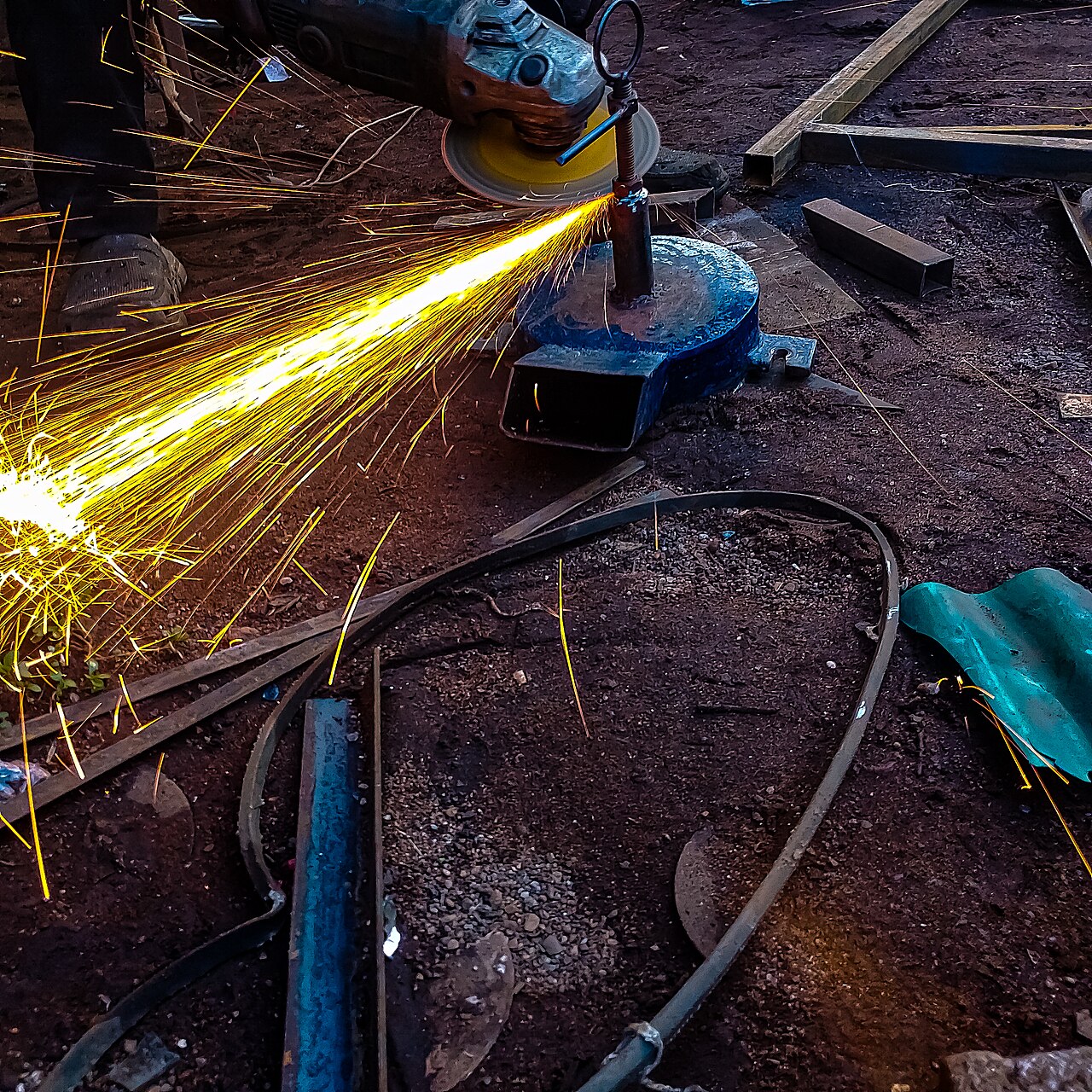
02 · Build
Fabricated in our own workshop near Pune under our QMS — the team that designed the mast builds it, so nothing is lost in translation.
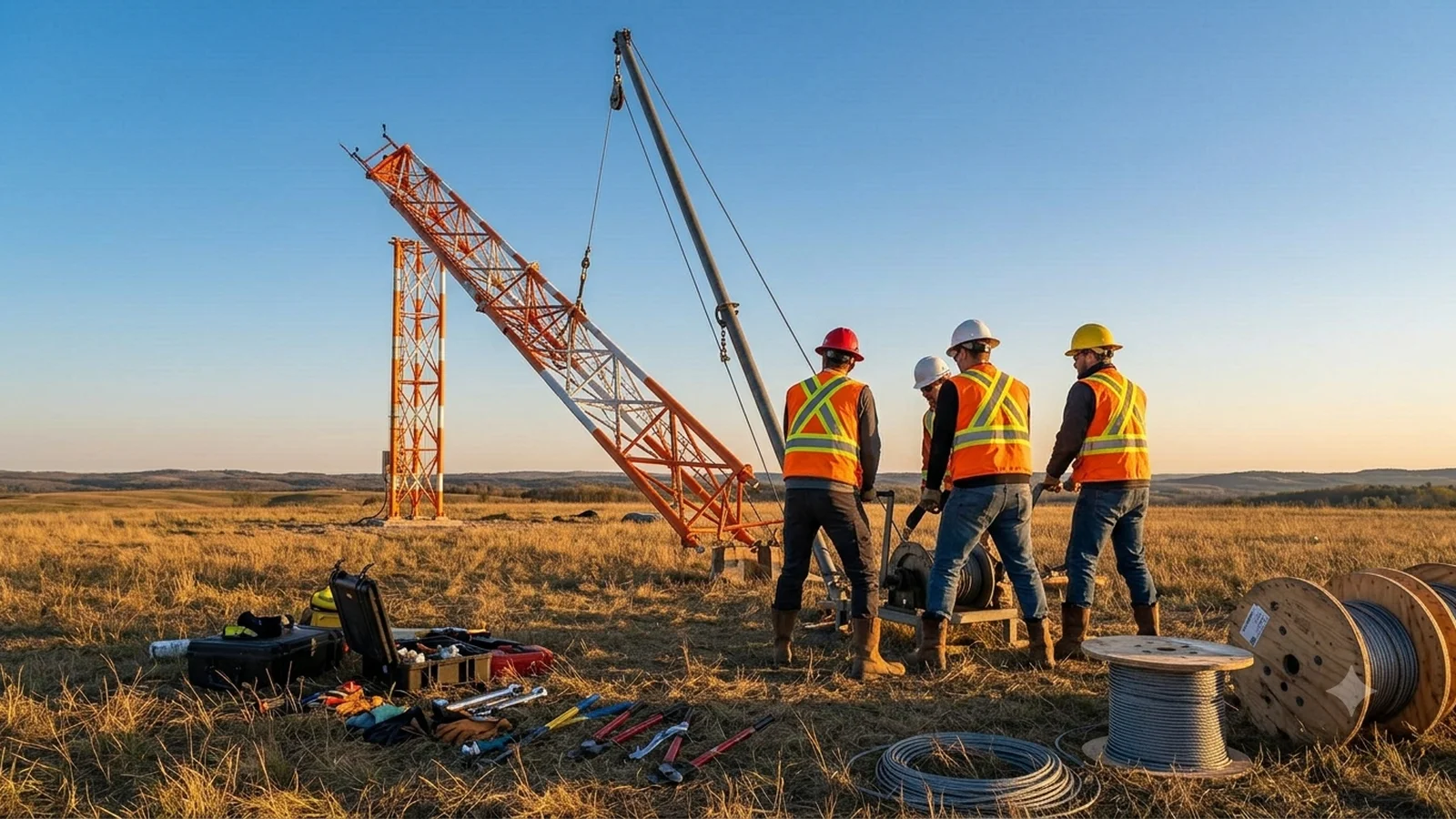
03 · Raise
Erected by our own certified crews under a Method Statement, HIRA and Rescue Plan — witnessed through four quality gates.
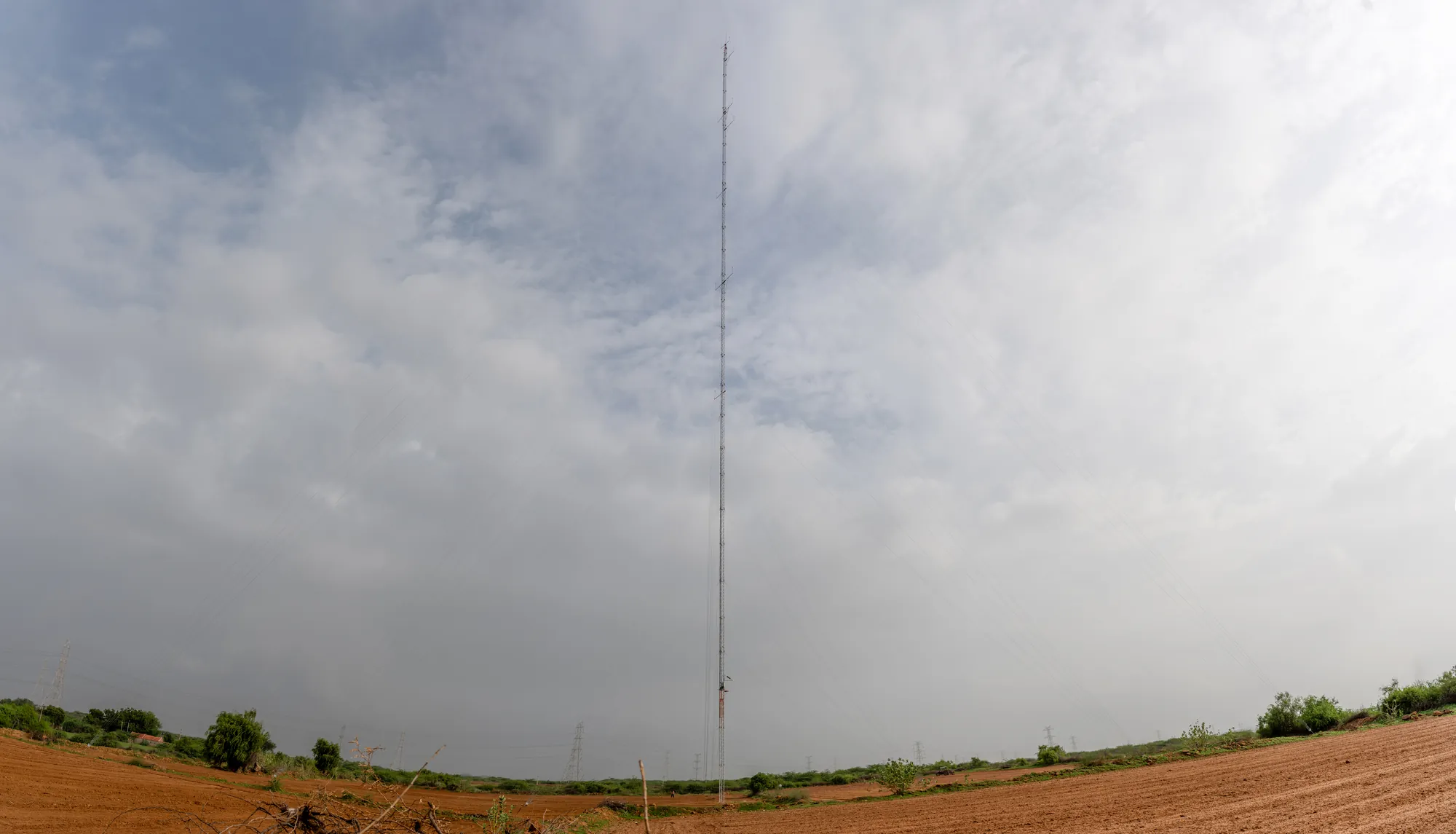
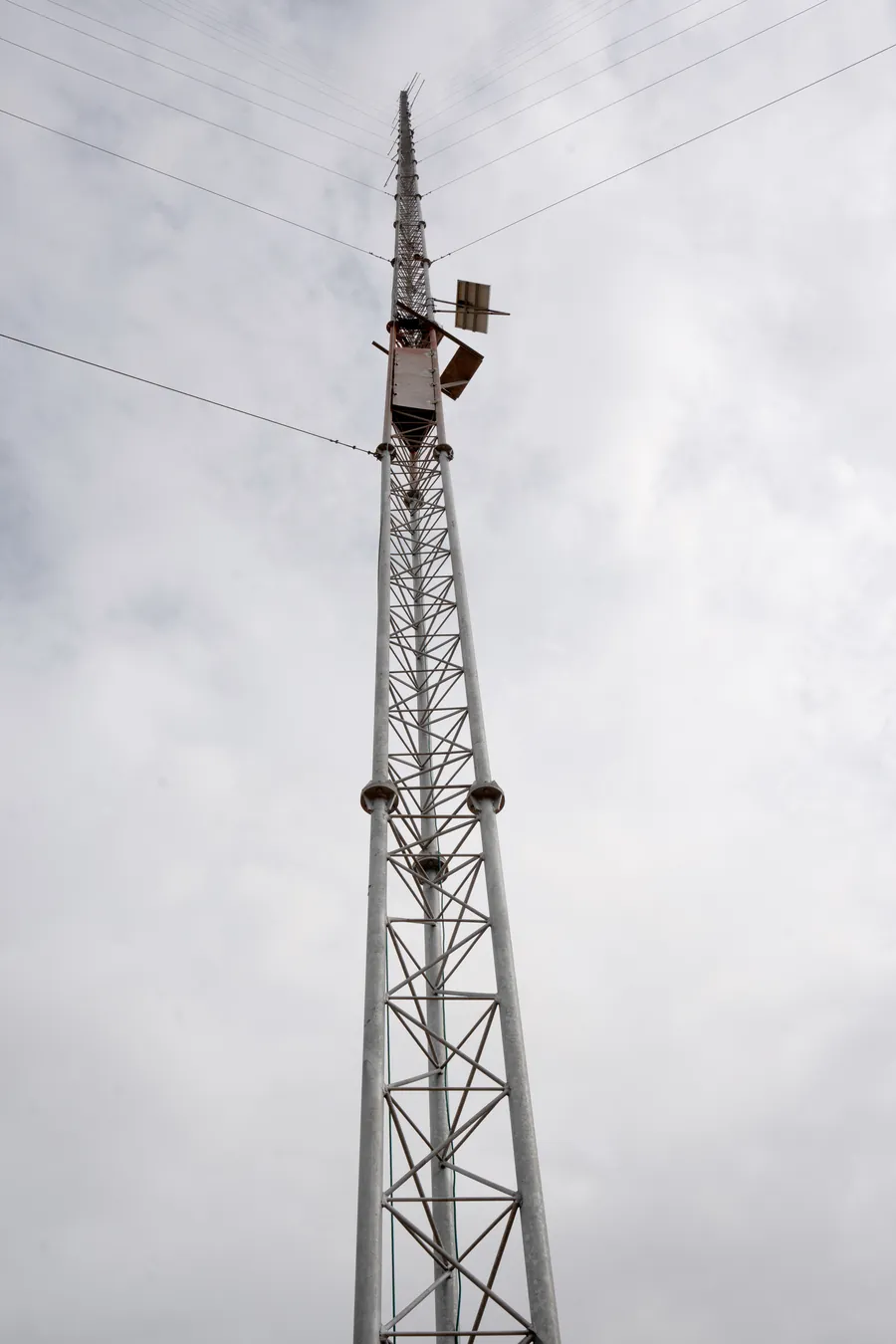
Masts we designed, built and raised — in service today, riding out monsoon and heat while they report.
The mast is half the deliverable; the other half is an auditable trail from the first calculation to the seven-day check.
Wind mast operation and maintenance is a separate scope, priced on request alongside the mast. The same team that raised the tower keeps it checked, reported, insured and registered — and takes it down cleanly when the campaign ends.
Coordinates, project stage, and the decision the data must support — we come back with a mast design, a programme through the four gates, and a price.
Offices, channels & the enquiry composer →
Mast design, programme & price · within about a week · O&M quote on request